Destinations
Five distinct Sri Lankas. One extraordinary island.
Sri Lanka doesn’t fit a single description because it isn’t a single kind of place. Ancient cities, jungle-clad national parks, highland tea estates, colonial fort towns, and Indian Ocean beaches all exist within a few hours of each other. Venture Ceylon has organised the island into five destination threads, each offering a completely different experience and each worth a journey of its own.
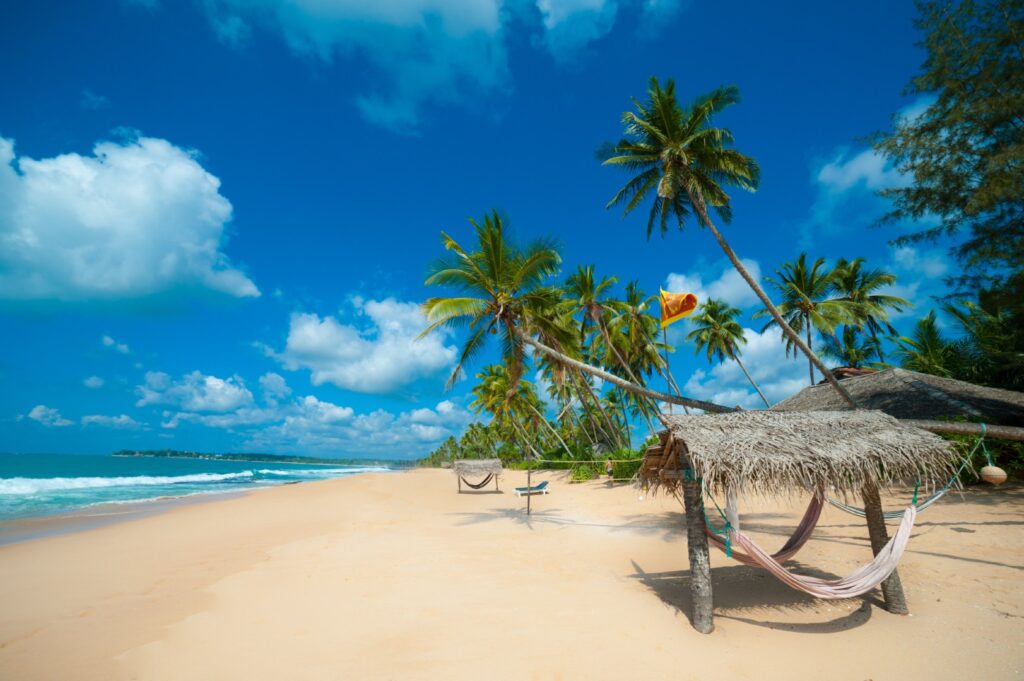
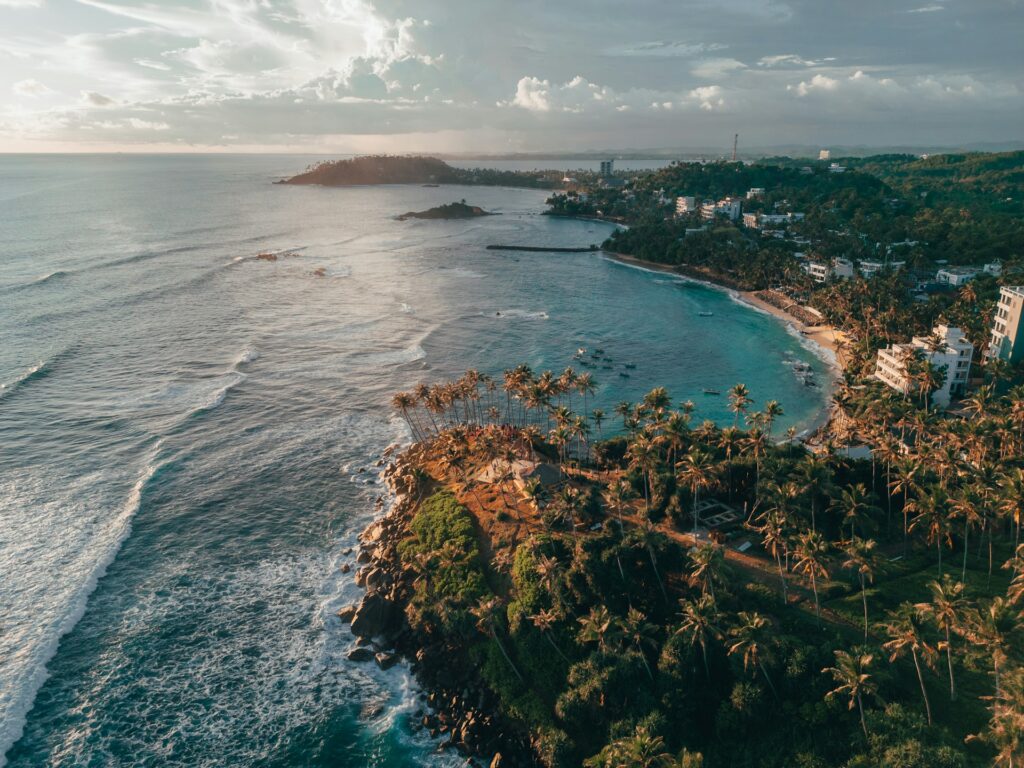
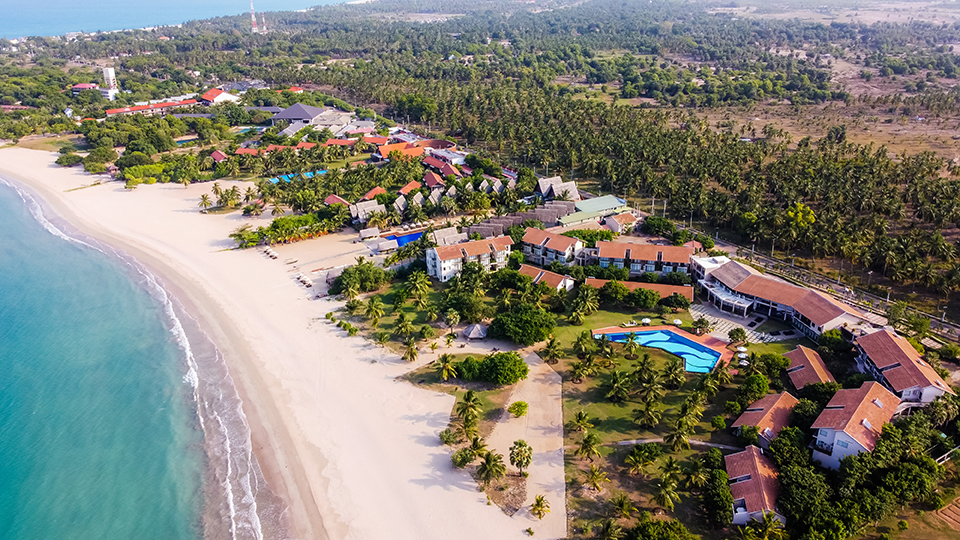
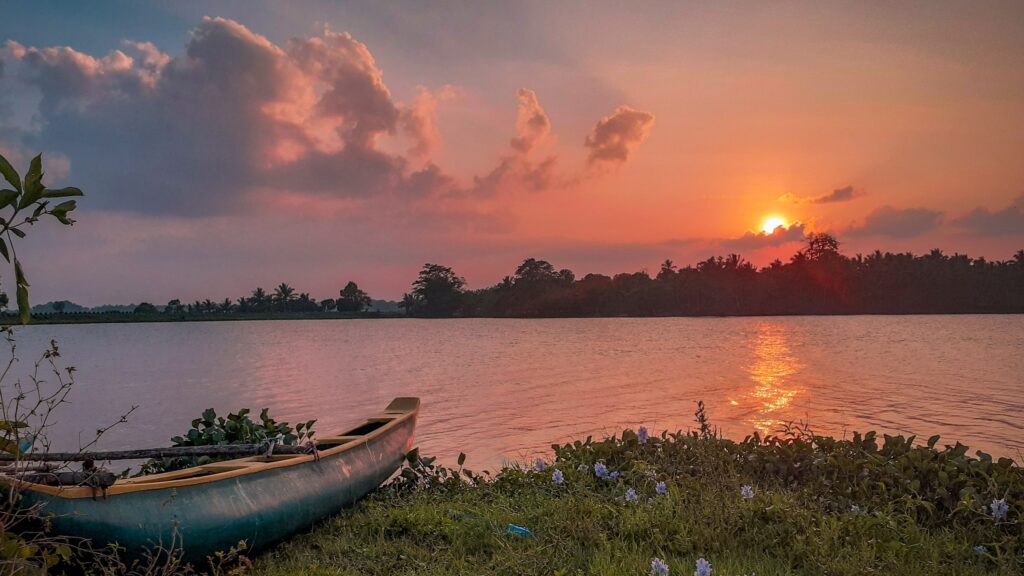
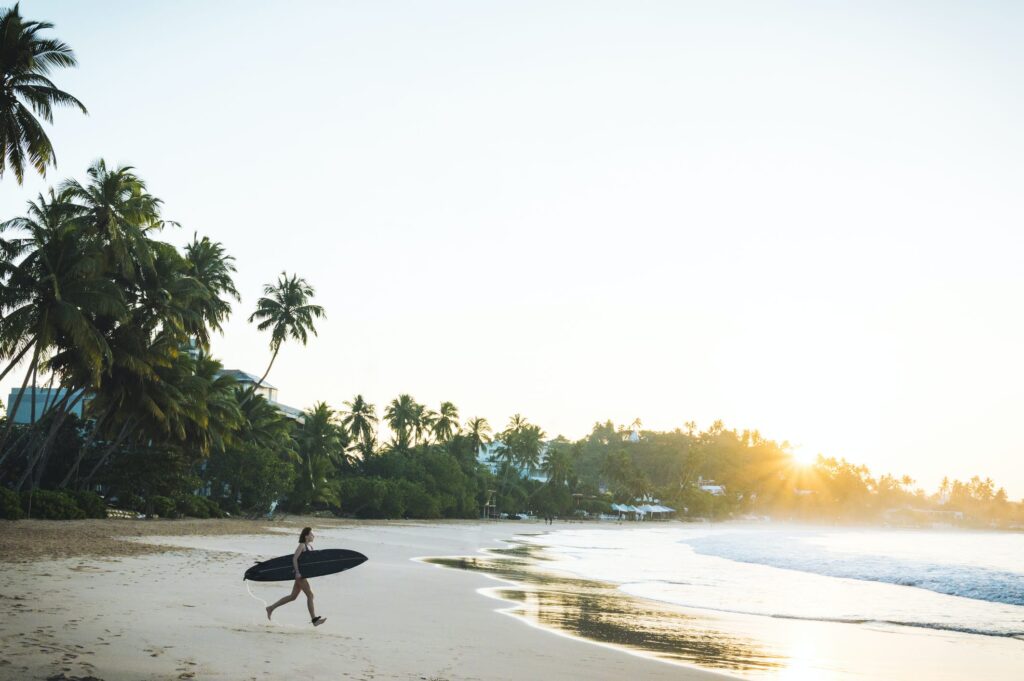
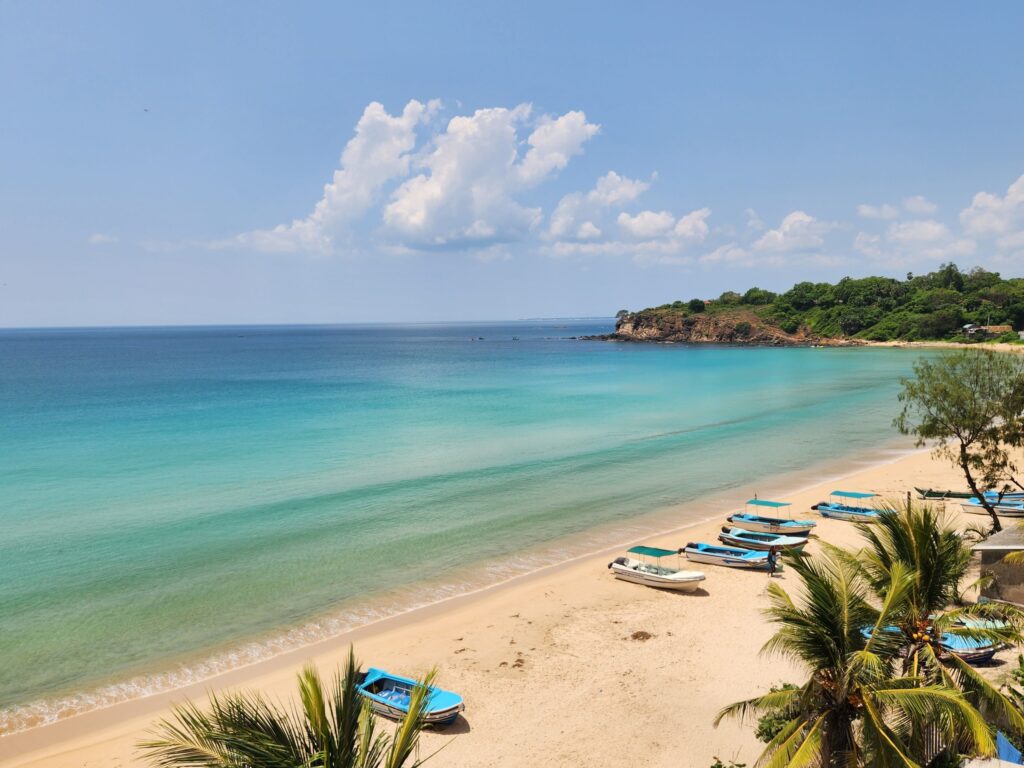
Sri Lanka’s coastline stretches over 1,340 kilometres, with each stretch carrying its own character, season, and shade of blue.
Trincomalee
Trincomalee guards one of the finest natural harbours in Asia, with exceptional beaches at Nilaveli and Uppuveli just north of the city. The clifftop Koneswaram Temple, Kanniya Hot Springs, and the colonial Fort Frederick add cultural depth that purely coastal destinations rarely offer.
Hikkaduwa
A coral sanctuary lies directly offshore, accessible by snorkel, and a resident population of sea turtles has used these waters for decades. The beach is long, the surf is reliable, and the town’s independent energy gives it a character that more developed resort towns have lost.
Nilaveli
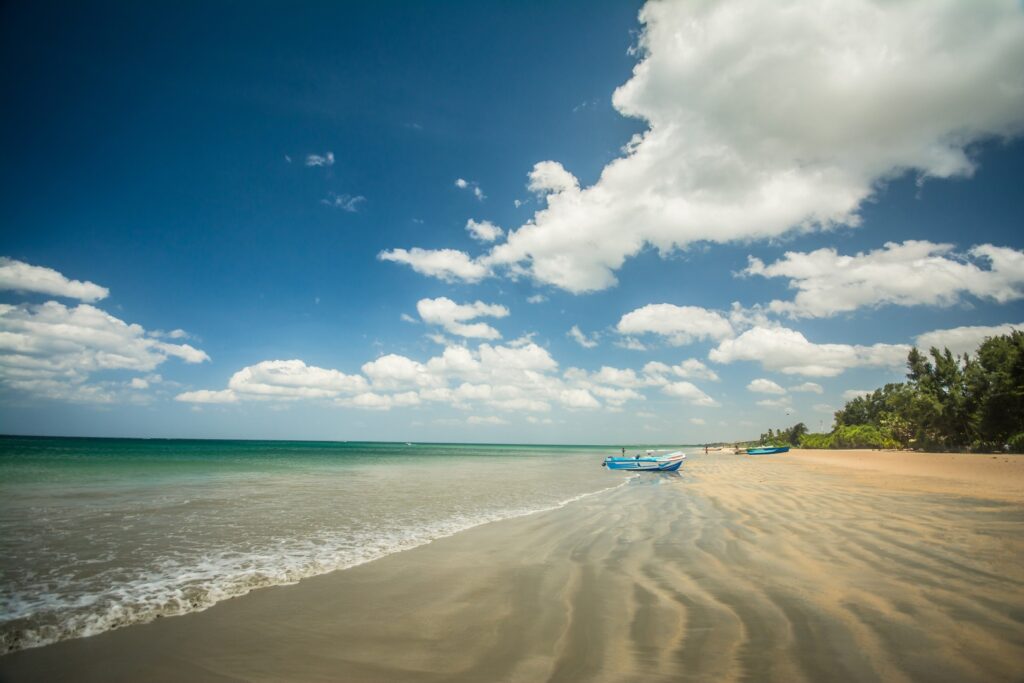
A long, uncrowded beach north of Trincomalee facing exceptionally clear water, Nilaveli is best known as the departure point for Pigeon Island Marine Park where blacktip reef sharks and hawksbill turtles live in just a few metres of water. One of Sri Lanka’s finest coastal stretches and among its least visited.
Tangalle
Rocky headlands break the Tangalle shoreline into a series of secluded coves and crescent bays, each one different and all of them uncommonly beautiful. The town is genuinely local, the resorts are excellent, and the pace is slower than anywhere further west.
Kalpitiya
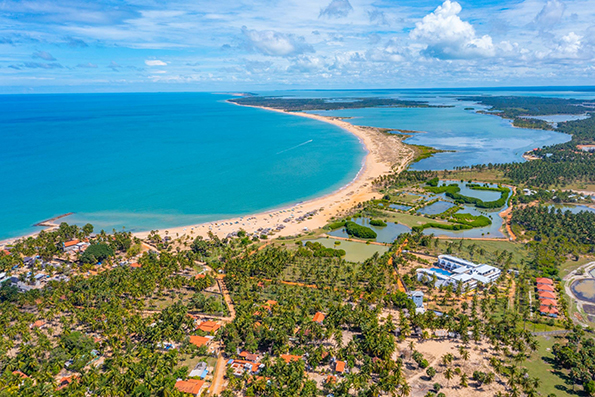
Sri Lanka’s kitesurfing capital sits where the Indian Ocean and the Puttalam Lagoon meet, creating one of the world’s most consistent wind corridors. Spinner dolphin pods and mangrove lagoon safaris make the surrounding area exceptional even for those who don’t kitesurf.
Mirissa
A compact palm-fringed beach on the south coast that faces some of the Indian Ocean’s deepest water, home to the largest seasonal blue whale aggregation in the ocean between December and April. The whale watching is world-class and the town’s easy atmosphere keeps travellers longer than planned.
Pasikuda
Pasikuda’s reef-protected bay keeps the sea shallow, calm, and extraordinarily clear for hundreds of metres from shore, creating natural swimming conditions rarely found on an open coast. At its best from April to September, it is quiet, beautiful, and deliberately unhurried.
Negombo
Twenty minutes from the international airport, Negombo earns its place as more than a transit night. The mangrove lagoon, Dutch canal system, and beachside seafood restaurants serving the morning’s catch give it real coastal character.
Arugam Bay
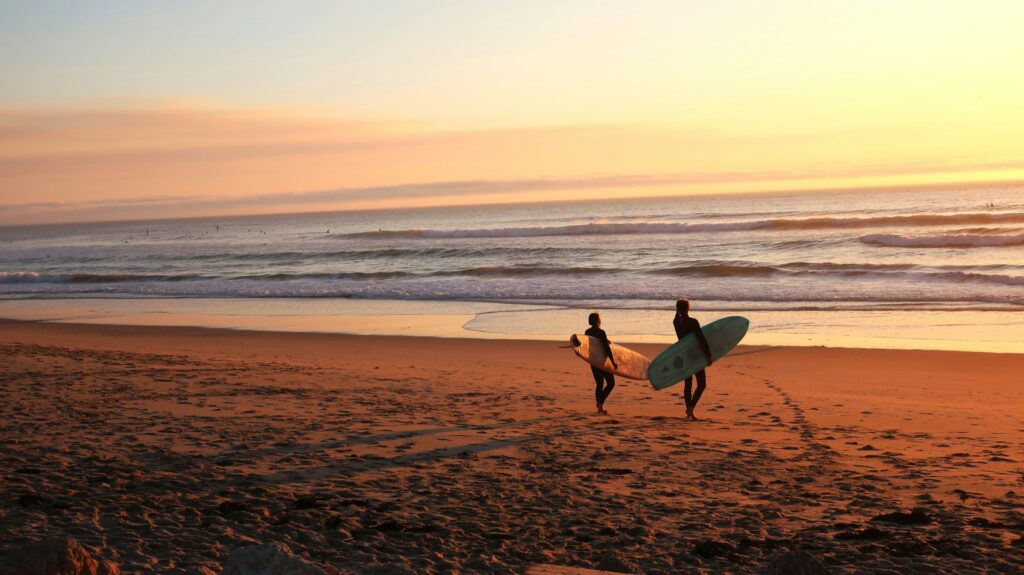
The east coast’s most celebrated surf destination, Arugam Bay delivers long, consistent point break waves from May through October and a genuinely relaxed beach culture year-round. Kumana National Park for elephant sightings and ancient rock temples nearby make it far more than a surf stop.
Bentota
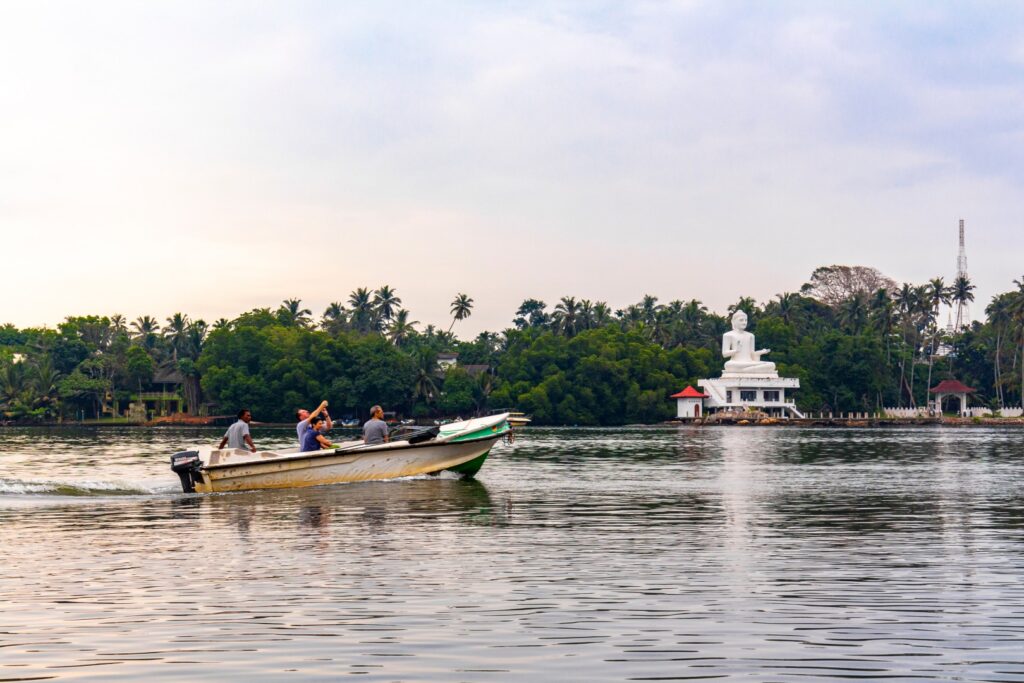
Bentota sits where the Bentota River meets the southwest coast, giving you a calm river lagoon and a long golden beach in the same location. Boat safaris, water sports, and Geoffrey Bawa’s architectural landmarks nearby make it more interesting than most beach towns.
The Cultural Triangle of Sri Lanka holds some of the most significant ancient monuments in Asia, cities and temples that flourished over 2,000 years ago and still carry the power to genuinely astonish.
Anuradhapura
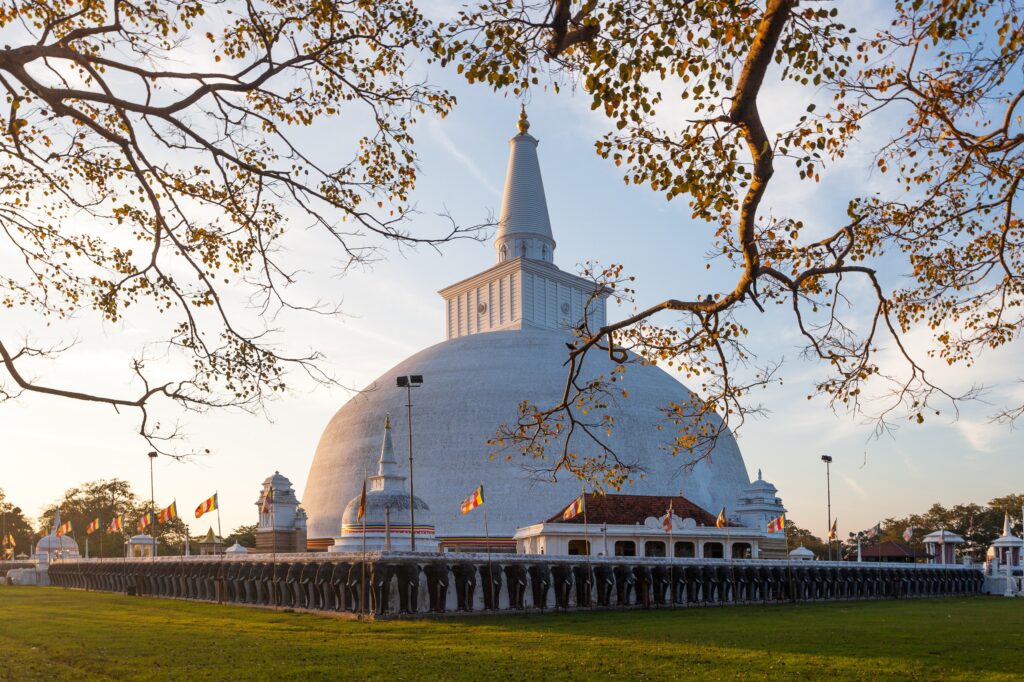
One of Asia’s greatest ancient capitals for over a thousand years, Anuradhapura is home to the sacred Sri Maha Bodhi tree, grown from a cutting of the original Bodhi tree and tended without interruption for 23 centuries. Three of the ancient world’s largest brick stupas rise from the surrounding landscape in a living religious city that never fully became a ruin.
Yapahuwa
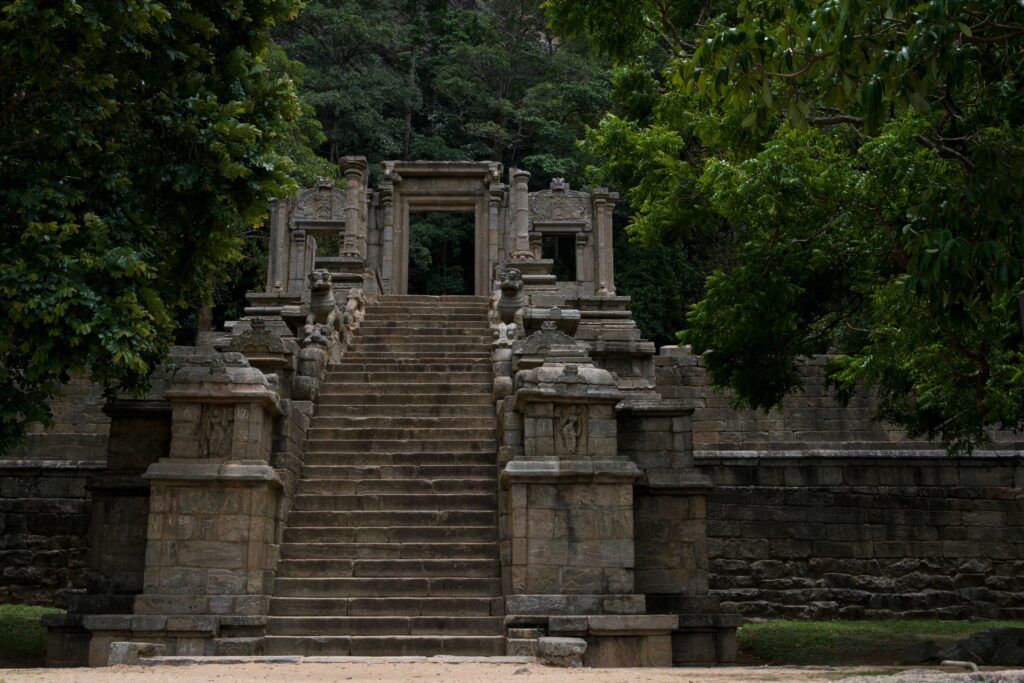
A 13th-century rock fortress rising dramatically from the flat plains, Yapahuwa is the Cultural Triangle’s most overlooked major site and, for that reason, one of its most rewarding. Travellers who make the detour will almost certainly have the place to themselves.
Dambulla Cave Temple
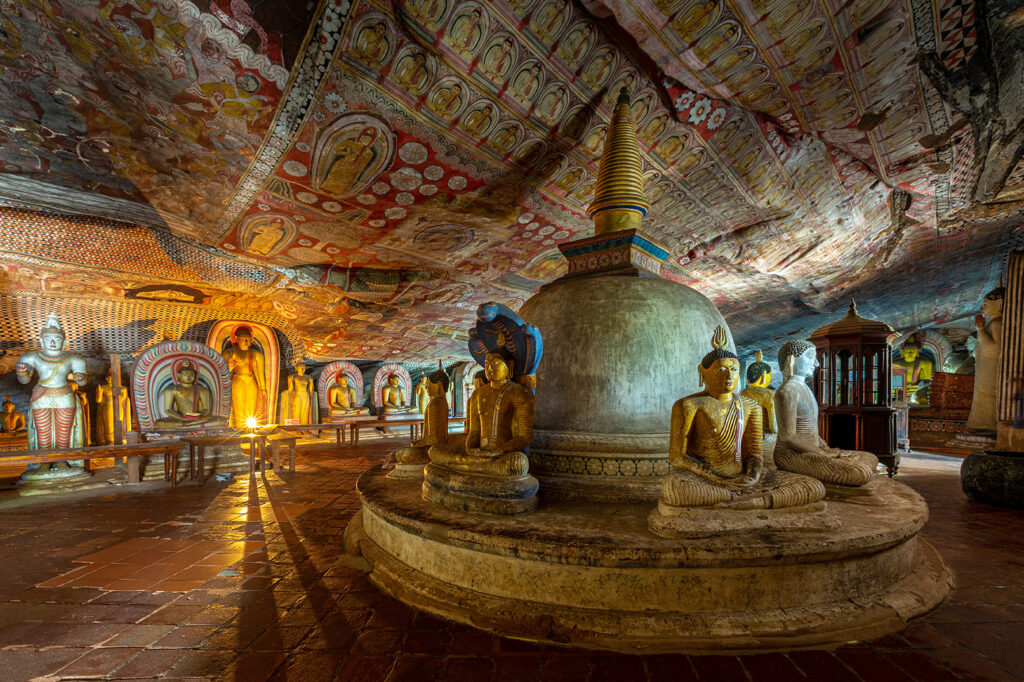
Five interconnected cave chambers hold 153 Buddha statues and 2,100 square metres of painted murals spanning 2,000 years of Buddhist art. The paintings are extraordinary in their density and craftsmanship, and the cave atmosphere rewards slow, attentive exploration.
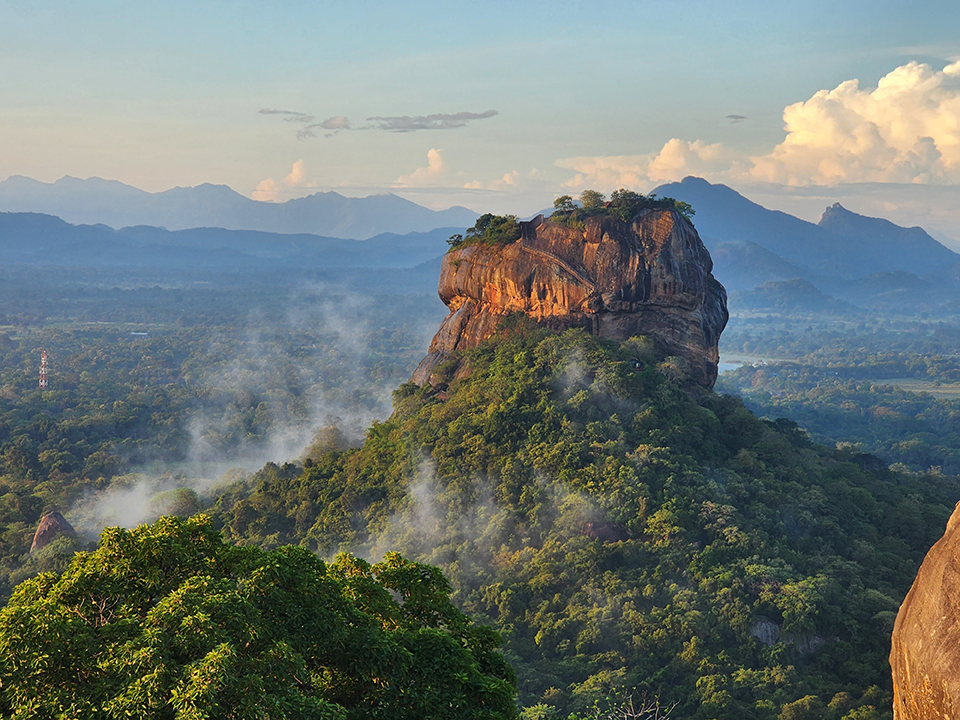
Sigiriya
A 5th-century royal palace built on the vertical face of a 200-metre volcanic rock, complete with ancient frescoes, mirror wall poetry, and water gardens that represent the engineering ambition of an entire civilisation. No photograph prepares a first-time visitor for the physical reality of standing at its summit.
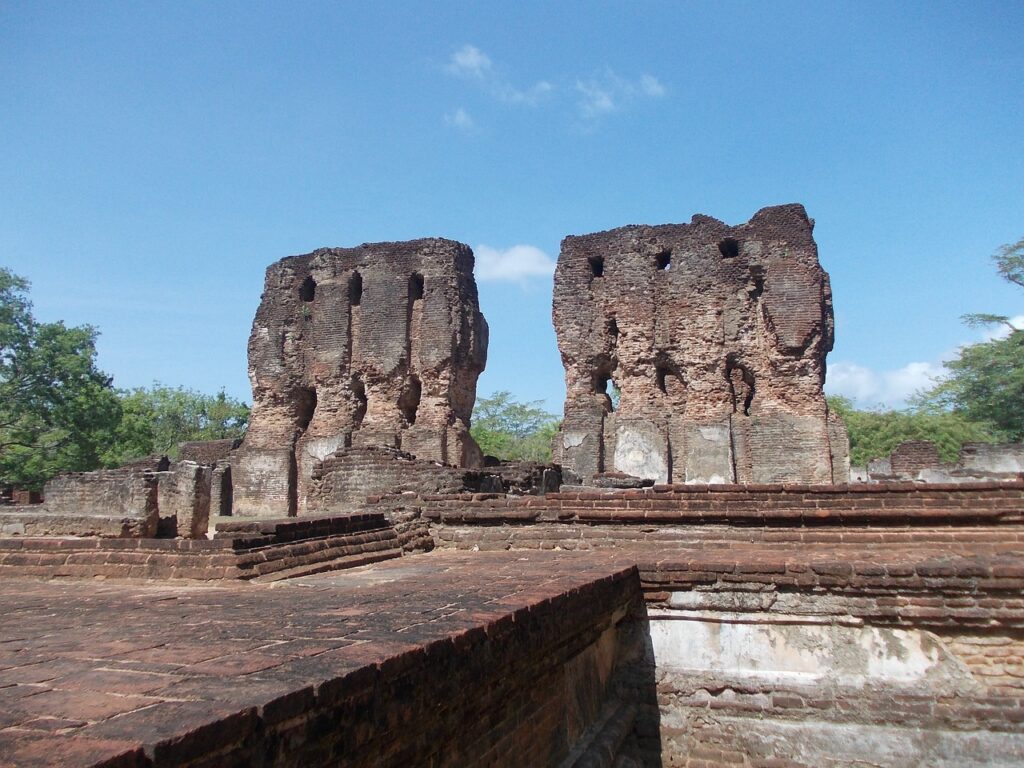
Polonnaruwa
Sri Lanka’s medieval capital at its peak of artistic achievement, Polonnaruwa left behind monuments of extraordinary scale and elegance, from the Gal Vihara rock sculptures to the perfectly proportioned Vatadage. Best explored by bicycle at dawn before the heat builds and the monuments feel entirely your own.
Sri Lanka’s central highlands feel like a completely different country, cooler, quieter, and greener than anything below, built on tea, mist, and views that earn their keep.
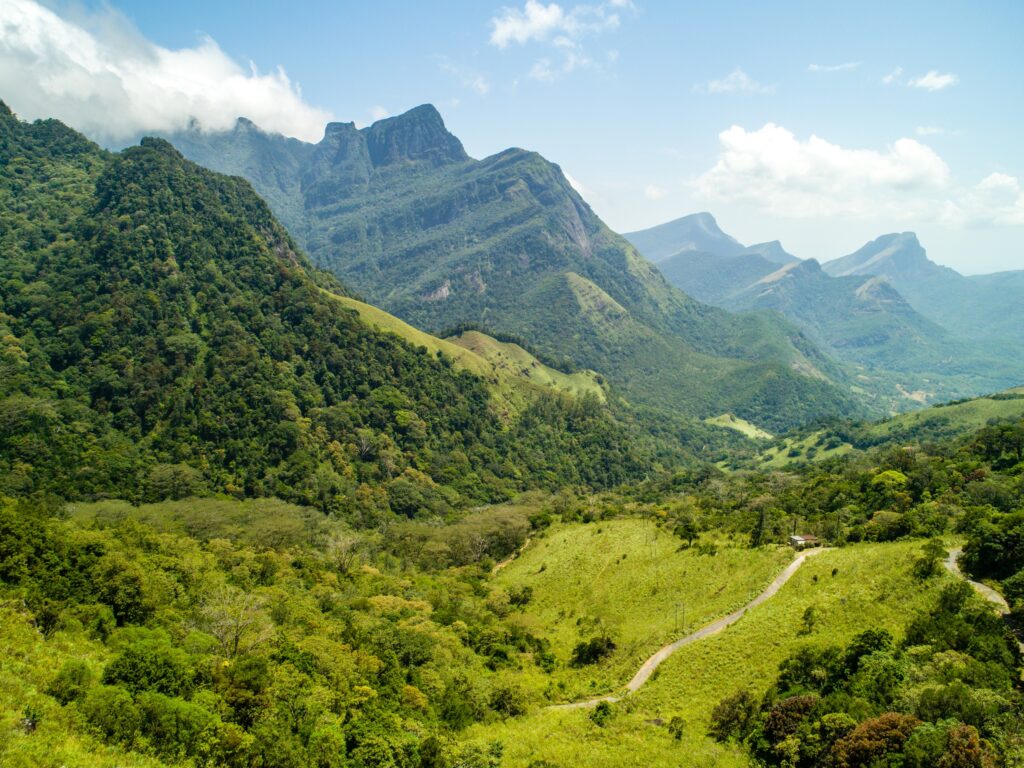
Knuckles Mountain Range
A UNESCO World Heritage biodiversity zone of cloud forests, waterfalls, remote villages, and ridgeline trails, the Knuckles is Sri Lanka’s wildest highland landscape. Multi-day treks pass through farming communities where traditional mountain agriculture continues largely unchanged, and the concentration of endemic species rivals Sinharaja.
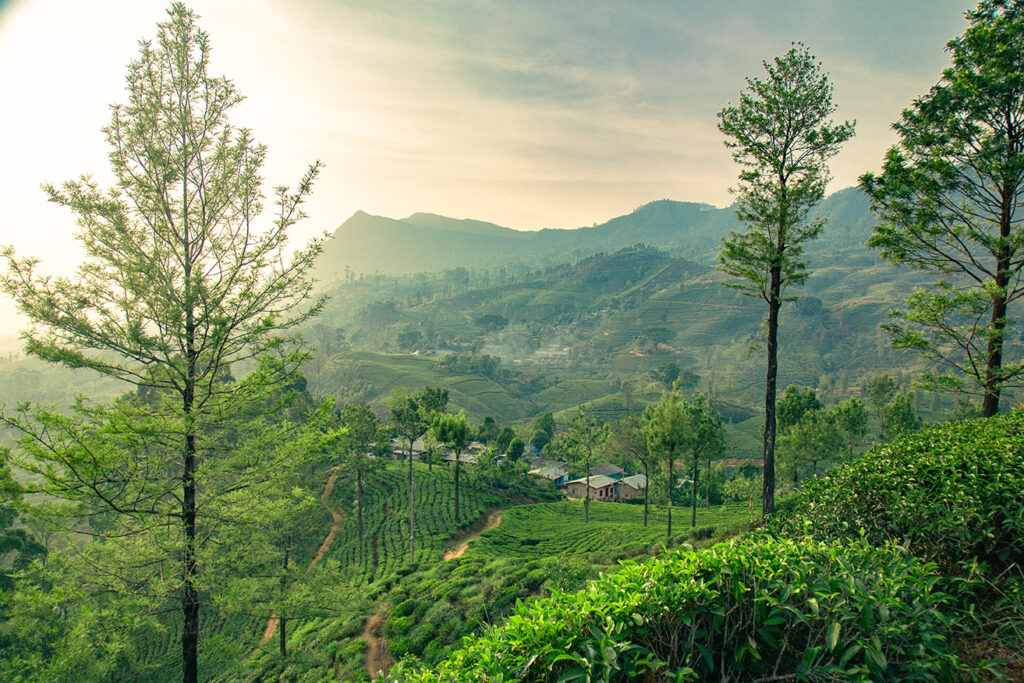
Nuwara Eliya
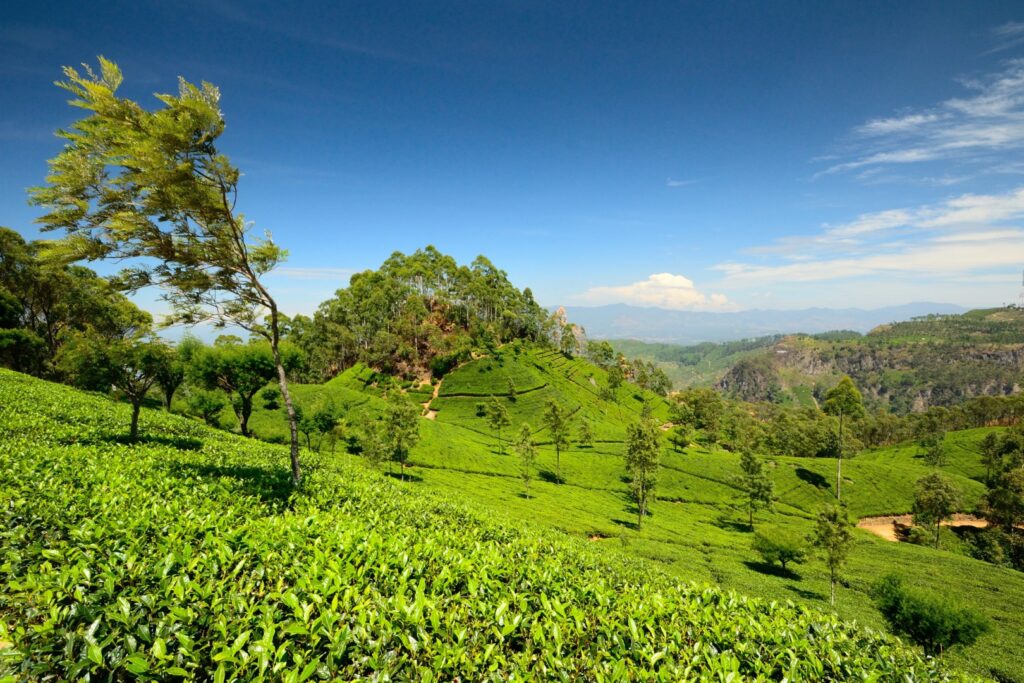
Built by the British as a hill station at 1,868 metres, Nuwara Eliya has Tudor architecture, rose gardens, and a temperature that makes fireplaces sensible even in April. The surrounding tea estates produce some of the world’s finest high-grown Ceylon teas and a factory visit, from leaf to cup, is one of the island’s most genuinely informative experiences.
Horton Plains
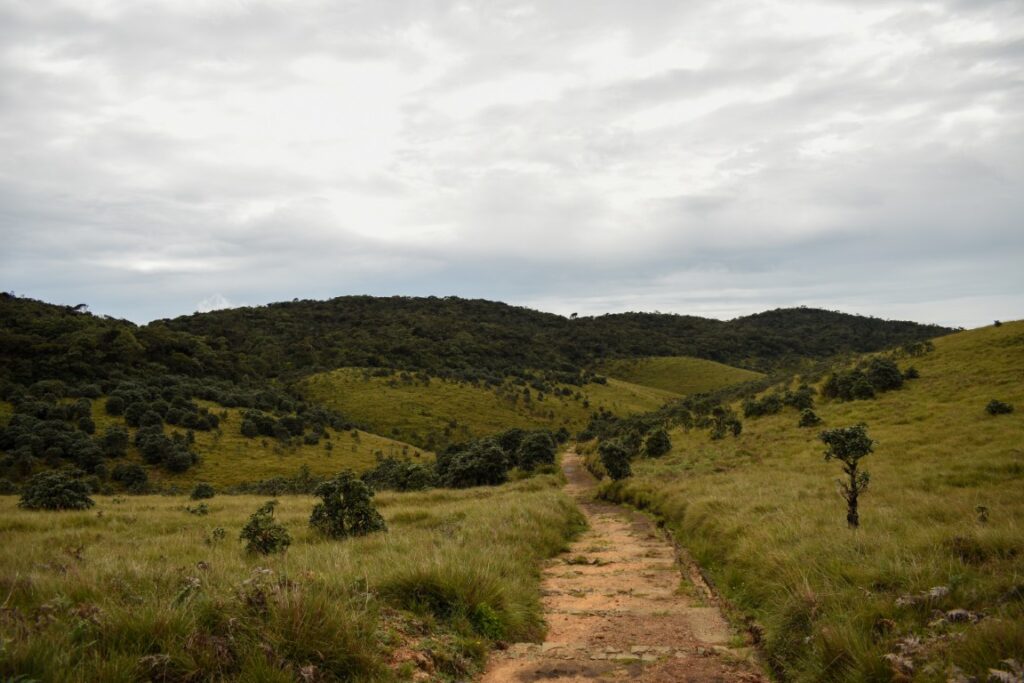
Sri Lanka’s highest plateau national park leads to World’s End, a sheer escarpment dropping 870 metres to the lowland jungle, one of the island’s most dramatic natural landmarks. Arrive before 9am, before the cloud closes in, and the view is unforgettable.
Haputale
Haputale sits on a ridge so narrow that highland landscape falls away dramatically on both sides, and the walk to Lipton’s Seat rewards with views extending to three coastlines on a clear morning. Quieter and more local than Ella, it suits travellers who want the highlands without the crowds.
Ella
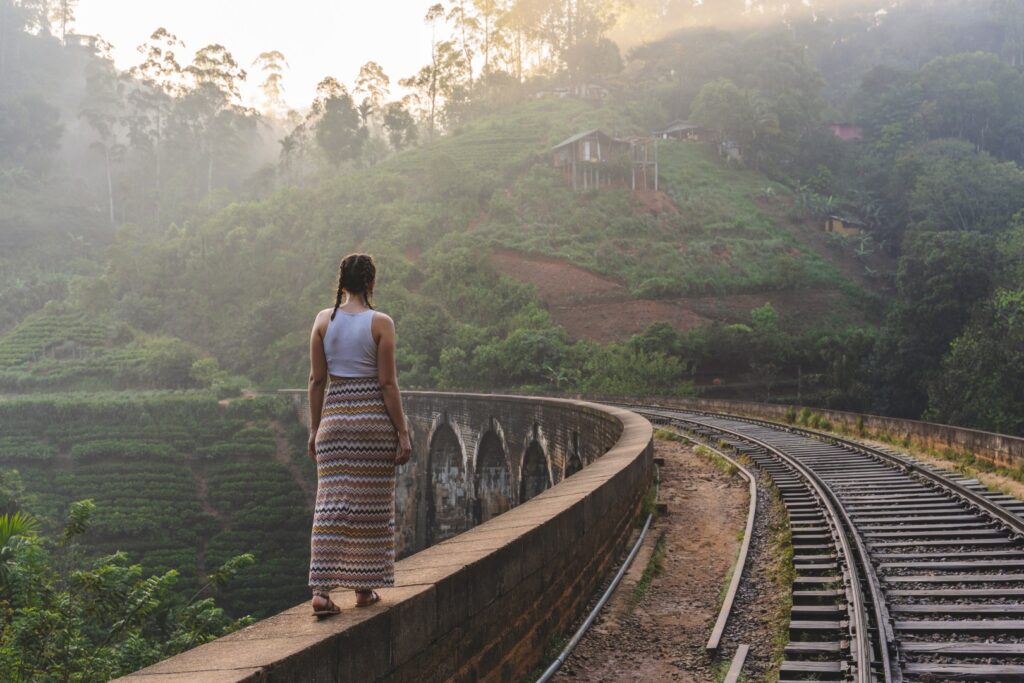
A small hill town above a valley of such intense green it seems lit from within, Ella’s pace is exactly slow enough to make a day feel restorative rather than merely spent. The Nine Arches Bridge, Little Adam’s Peak, and the quality of simply being there make it the island’s most loved highland stop.
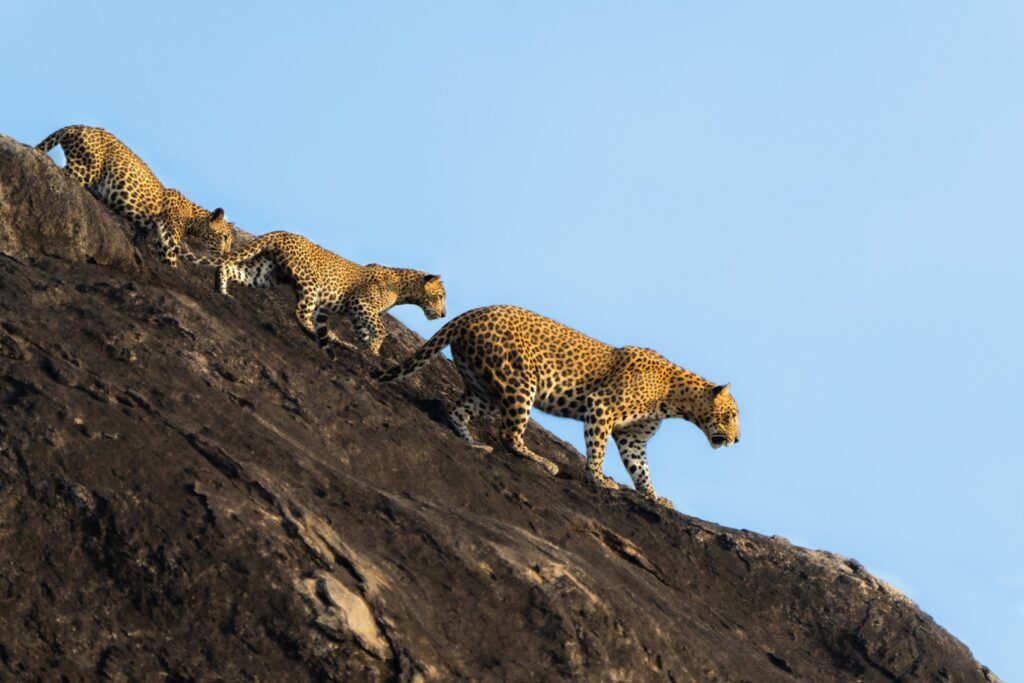
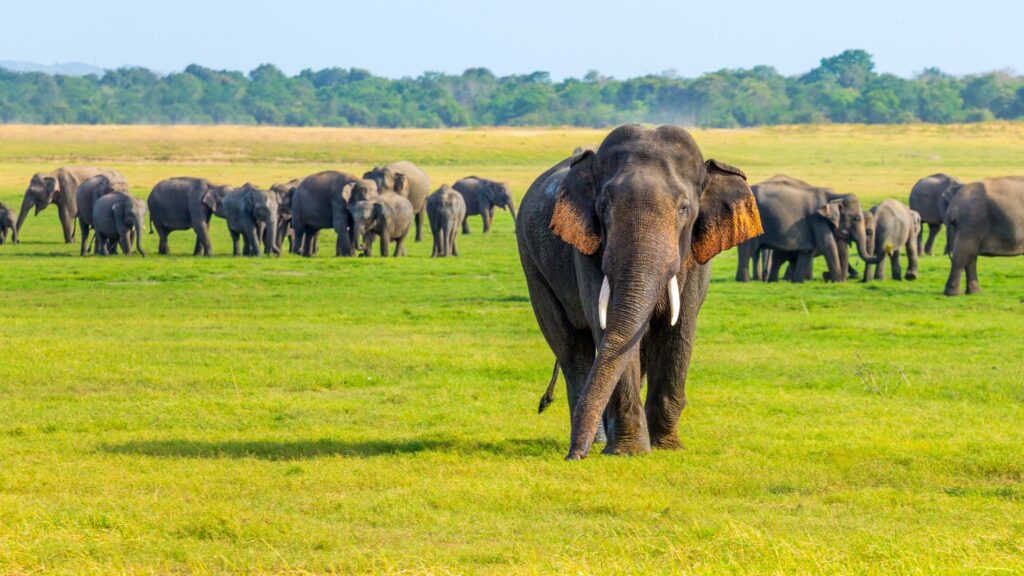
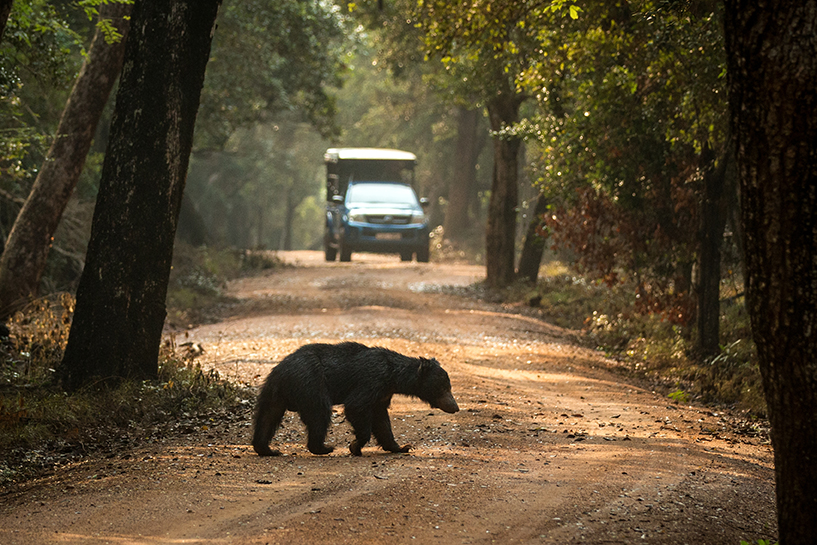
Sri Lanka’s wildlife credentials are extraordinary for an island of its size: leopards, elephants, blue whales, sloth bears, and over 430 bird species all within reach of almost any itinerary.
Sinharaja Rainforest
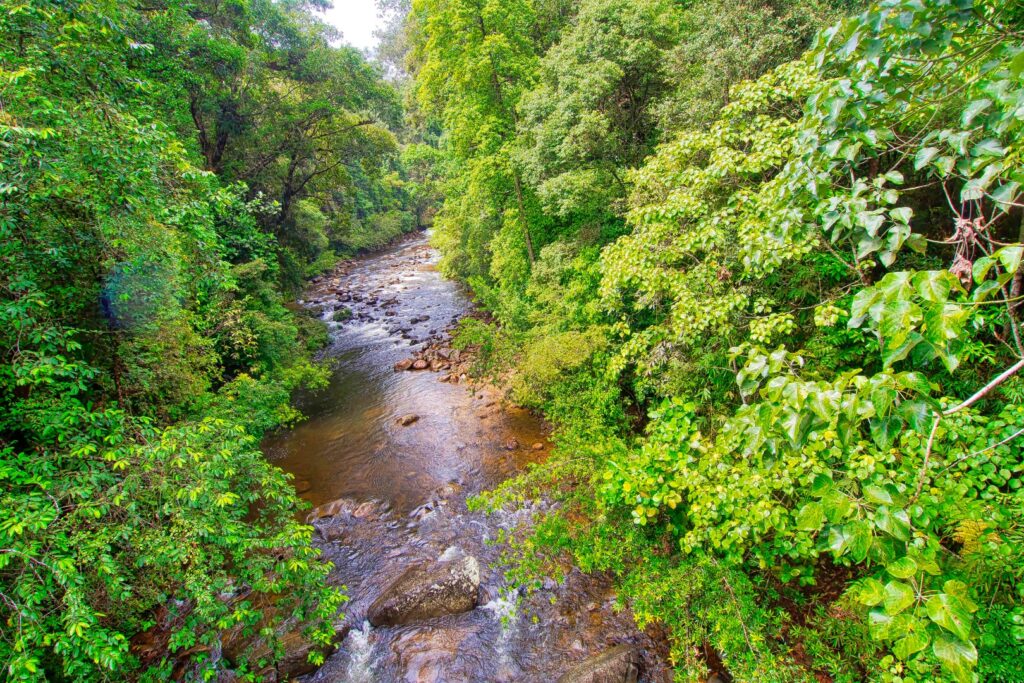
The last remaining primary lowland rainforest in Sri Lanka and a UNESCO Natural World Heritage Site, Sinharaja holds 21 of the island’s 26 endemic bird species and a density of endemic life that is almost without parallel. A guided walk with a specialist naturalist here is one of the most genuinely transformative natural experiences Sri Lanka offers.
Yala National Park
The best place on earth to see a wild leopard, with the highest leopard density of any protected area in the world. The landscape of dry thorn forest, open lagoons, and coastal edge creates a visually extraordinary backdrop for one of Asia’s finest safari experiences.
Minneriya
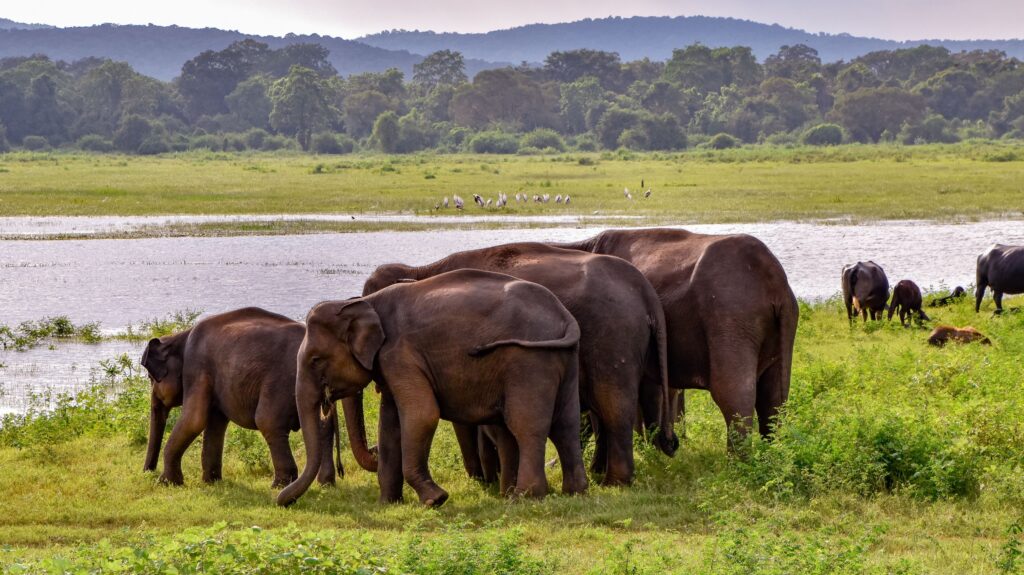
Between July and October, the Minneriya Reservoir draws hundreds of wild elephants to the same open lakebed in what is known as The Gathering, one of the great wildlife spectacles of Asia. Outside peak season it remains an excellent elephant park with consistently accessible sightings year-round.
Udawalawe
The finest destination in South Asia for close-up elephant observation, with open grassland herds of 50 to 100 elephants moving visibly across the plain throughout the day. The Elephant Transit Home on the park boundary rehabilitates orphaned calves for return to the wild, and a morning visit to their feeding session is genuinely moving.
Wilpattu
Sri Lanka’s largest and least crowded national park, defined by its villus, natural water-filled clearings that concentrate wildlife for long, undisturbed observation. Leopard density is among the highest outside Yala, and the absence of heavy visitor traffic means encounters happen quietly and on the animal’s own terms.
Sri Lanka’s religious landscape spans Buddhism, Hinduism, Islam, and Christianity, each tradition leaving behind places of exceptional beauty, devotion, and meaning.
Jaffna
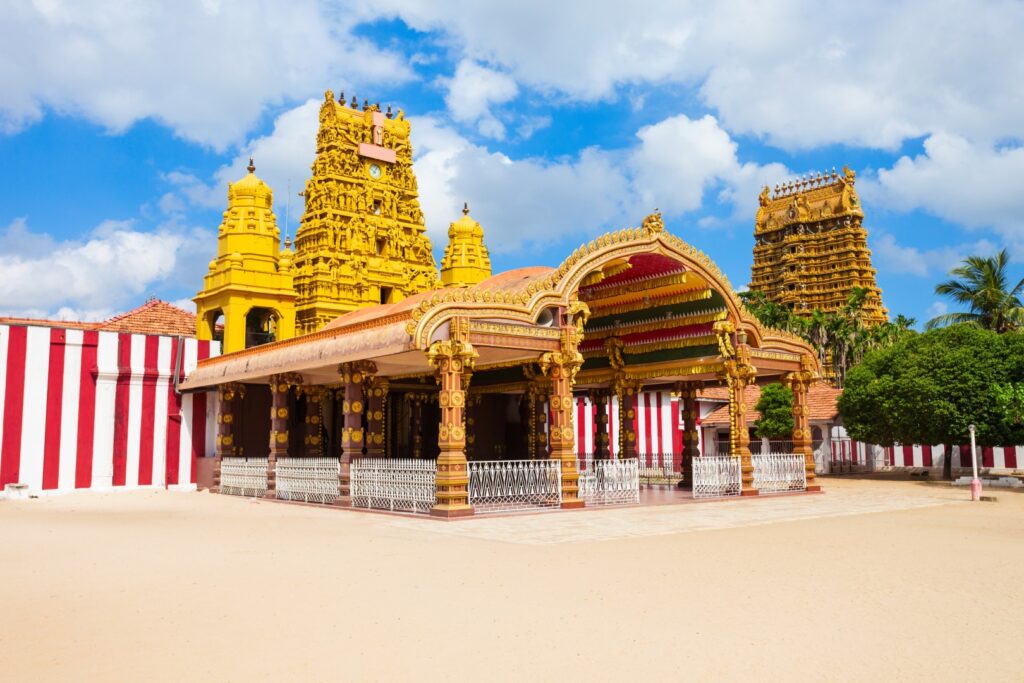
Sri Lanka’s northern capital is the heart of Tamil culture on the island, home to Nallur Kandaswamy Kovil, a masterwork of Dravidian temple architecture whose annual 25-day festival transforms the city each August. The city’s colonial Dutch fort, distinctive cuisine, and palmyra-dotted landscape make it unlike anywhere else in Sri Lanka and one of the island’s most undervisited major destinations.
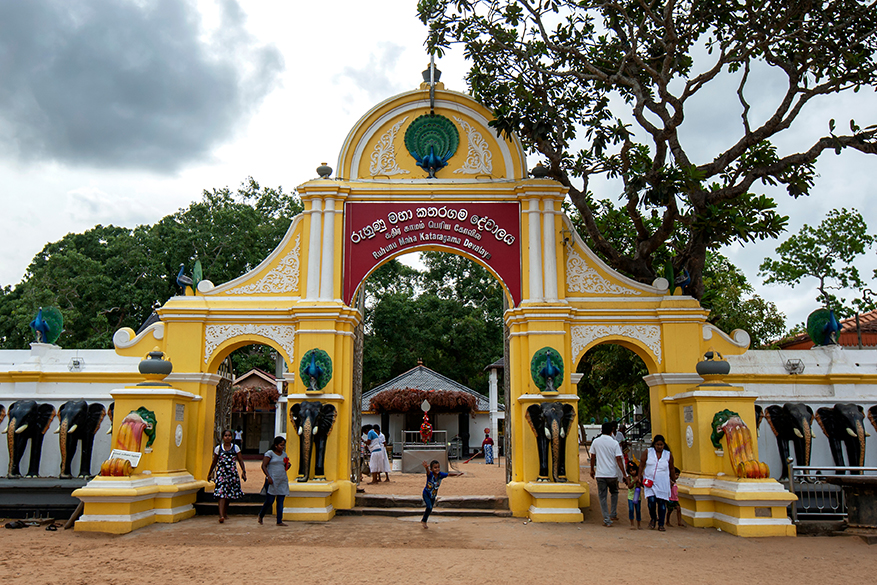
Kataragama
One of Sri Lanka’s most powerful active pilgrimage sites, sacred simultaneously to Buddhist, Hindu, and indigenous Vedda traditions in a convergence that is rare anywhere in the world. The Esala festival fire-walking ceremonies in July and August are among the most viscerally moving religious events in Asia
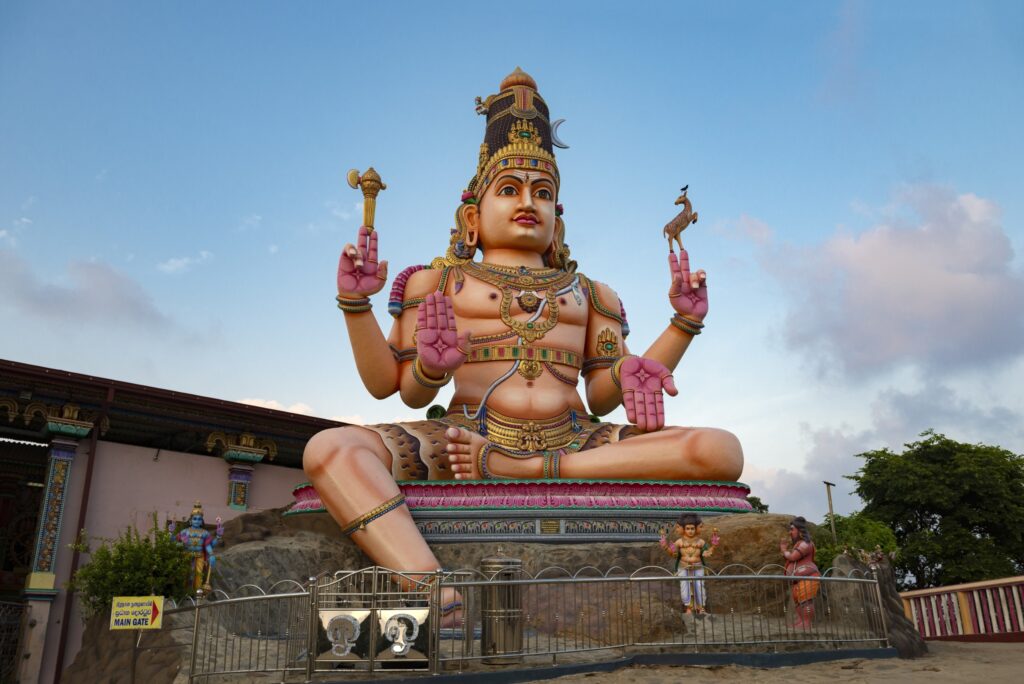
Koneswaram Temple, Trincomalee
One of Sri Lanka’s five ancient Pancha Ishwarams, built on a dramatic headland above Trincomalee’s harbour with the open ocean on one side and the bay on the other. The clifftop setting and the history of the site, including its near-destruction by Portuguese colonisers in 1624, give it a weight that few temples in the country can match.
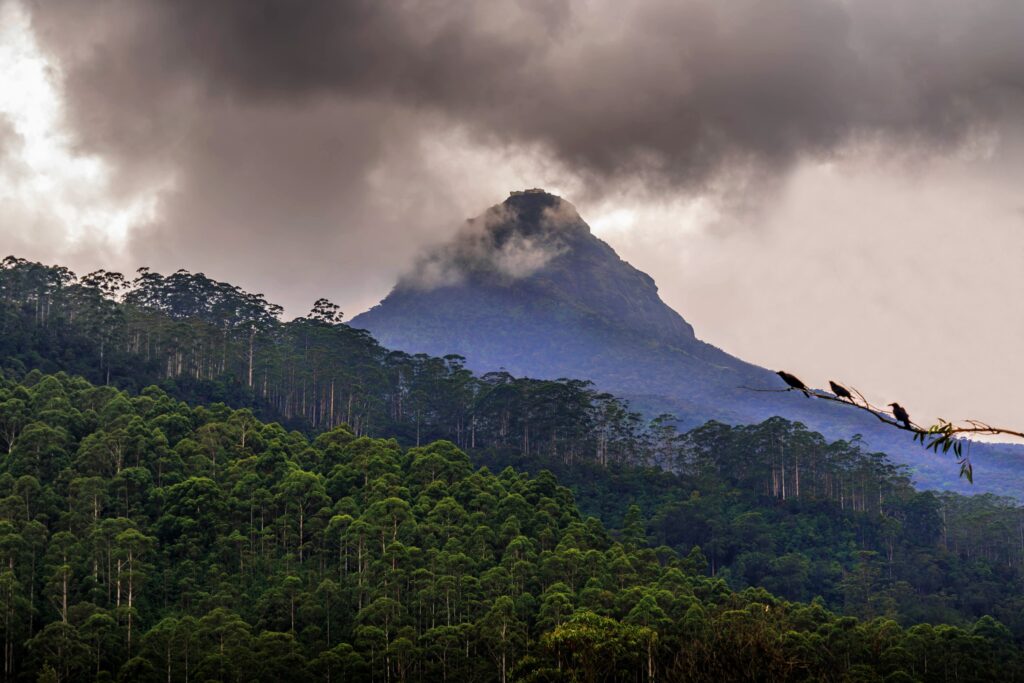
Adam’s Peak
Sri Lanka’s most sacred mountain draws pilgrims from every religious tradition on the island, each venerating the same footprint-shaped depression at the summit as their own. Ascending the 5,500 steps through the night by torchlight to reach the famous sunrise shadow phenomenon is one of the island’s most extraordinary physical and spiritual journeys.
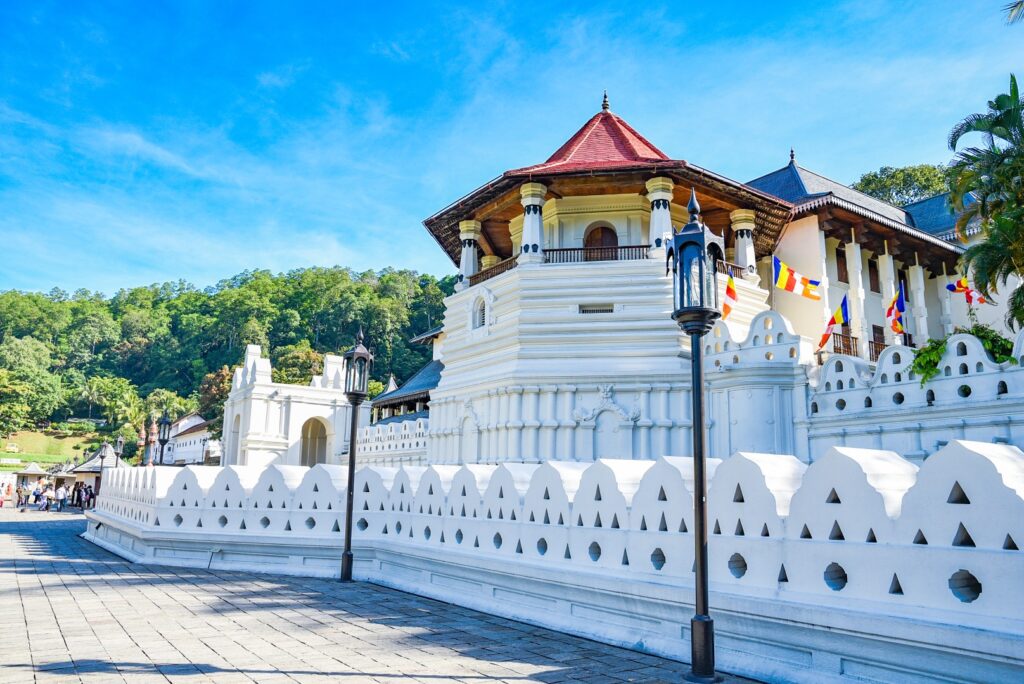
Temple of the Tooth, Kandy
The most sacred Buddhist site in Sri Lanka, housing the tooth relic of the Buddha within a complex that has been the ceremonial heart of Sinhalese kingship for centuries. The puja ceremonies at dawn, noon, and dusk fill the air with drums and incense in a way that is deeply atmospheric for visitors of any faith.